Gut Microbiome Restoration & Nervous System Reset
Your breath regulates your nervous system which activates biochemical functions required for a healthy gut. Regulating your nervous system on demand provides overall resiliency in this ever changing world.
The influx of physical and emotional stress can overwhelm our nervous systems and disrupt gut function, which can impair any or all bodily systems (such as hormones, immunity, detoxification, cardiovascular)
Our normalization of these radical imbalances jeopardizes the sustainability of our society
You have trillions of microbes in your gut and each species carry their own genome. The collective microbial genome in your gut exceeds the genome of your chromosomes
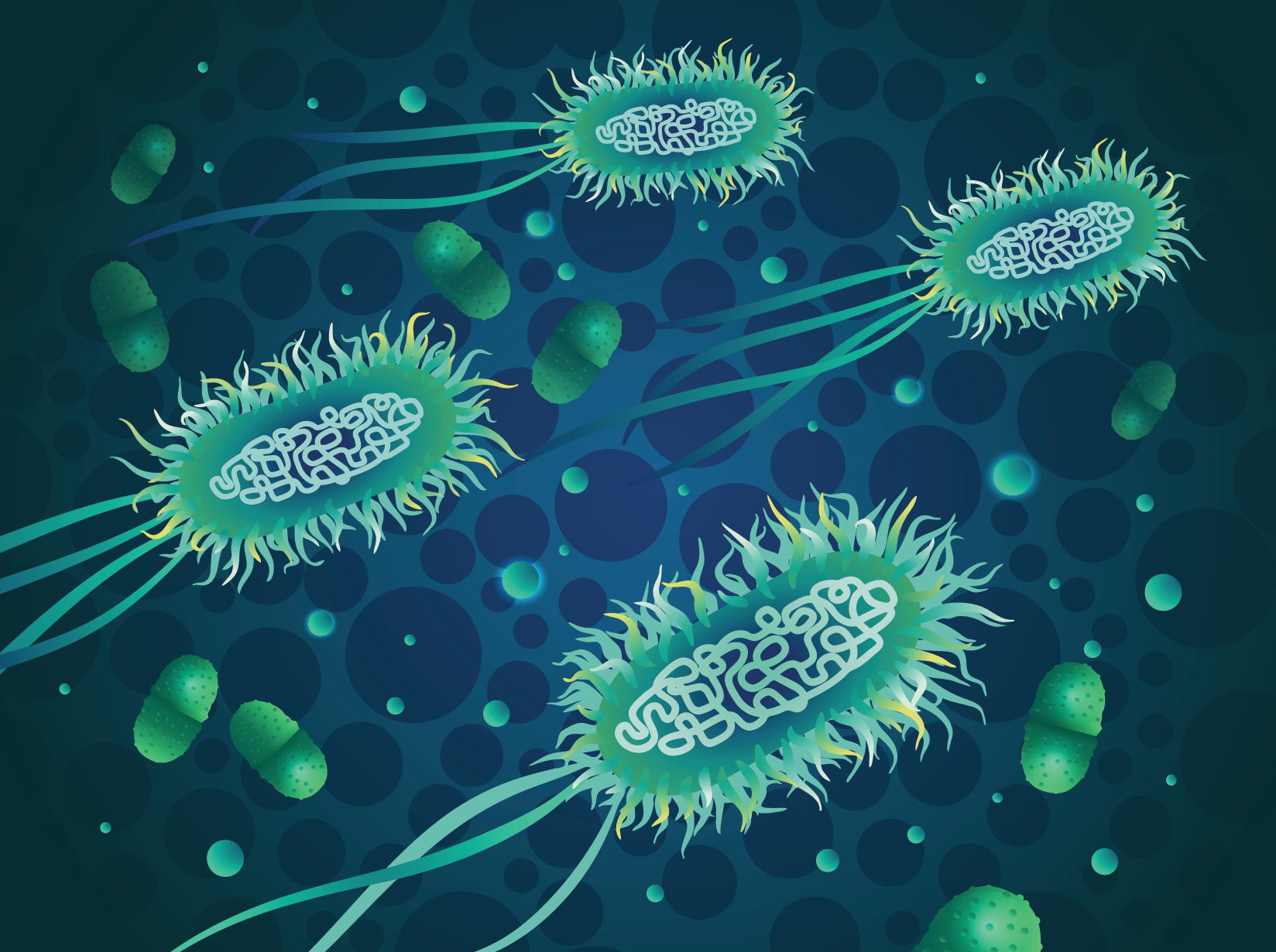
These critters are important enough to have coevolved with humans for thousands of years.
Each microbe has its own DNA, and they can change the expression of your human DNA.
Your gut microbes turn the fiber you eat into short-chain fatty acids, which are molecules that help keep inflammation in check and nourish your gut lining
The microbes in your gut educate your immune system, helping it strike the right balance between defending against real threats and tolerating harmless ones.
The food you eat feeds specific gut microbes, and your microbiome can experience measurable shifts within days of changing your diet
Your gut is home to the biggest and busiest part of your immune system. It's where your body makes most of its protective antibodies and learns the crucial difference between harmless things (like food) and real threats (like germs)
Your vagus nerve is part of your parasympathetic nervous system (the calming branch). It’s a long nerve that allows carries constant two-way signals between your gut and brain
Gut microbes modulate specialized cells that produce serotonin locally and directly effects your gut motility. This serotonin also effects your brain via signaling with your vagus nerve
Inflammation that starts in your gut can cause pain elsewhere in your body
Your gut microbes synthesize some vitamins, such as vitamin K2 and B vitamins
Maternal microbes transfer molecules to offspring before birth and via breast milk, priming neonatal immunity
Your gut microbes can produce enzymes that encourage estrogen back into circulation (rather than be excreted in stool), and this can contribute to higher estrogen levels
Your vagus nerve helps control digestion, motility, and inflammation, but it's mostly a listening nerve with about 80% of its fibers carry signals from the gut up to the brain
Functional medicine is rooted in the science of epigenetics!
The environment in which we experience life (both internal and external) profoundly affects our genetic expression. This means that even in the presence of a genetic predisposition, we can influence whether certain genes are activated or deactivated. The factors that shape our environment are more encompassing than you might think, ranging from the food we eat to the thoughts we think.
Learn More
What messages is your environment sending to your body?